Keeping Pets Warm and Safe During Knoxville’s Cold, Damp December

Keeping Pets Warm and Safe During Knoxville’s Cold, Damp December
When December settles in across Knoxville and the surrounding communities, chilly winds and damp air can bring unique challenges for our furry companions. As pet owners, you want to make sure your cats and dogs are not only comfortable but also protected from the risks that cold, wet weather can bring. At Just For Pets Animal Clinic, located at 5034 N. Broadway, Suite 255, Knoxville, TN 37918, we understand these seasonal concerns. Our veterinary professionals are here to guide you through best practices for cold weather pet safety in Knoxville, helping you recognize signs of cold stress, adjust routines for winter, and safeguard your pet’s well-being until spring arrives.
This blog will explore how Knoxville’s climate affects your pets during December, what warning signs to watch for, and how to keep your pet warm in winter. We will also provide practical advice on when to seek help from a veterinarian and how our team can support you with comprehensive wellness exams and preventive care. Whether you live in Knoxville or a nearby neighborhood, your pet’s health remains our top priority all year long.
Recognizing Cold Stress and Winter Health Risks in Knoxville Pets
Understanding when your pet may be struggling with the cold is the first step in cold weather pet safety in Knoxville. Both cats and dogs can develop health problems when exposed to chilly, damp air, especially during long winter nights. While thick-coated breeds may tolerate lower temperatures better, every pet is at risk if exposed for extended periods or if they have underlying health conditions.
Key symptoms of cold stress include shivering, reluctance to go outside, whining or barking at doors, and seeking shelter in unusual places. You may also notice your pet holding up their paws, moving stiffly, or appearing lethargic after time outdoors. In more severe cases, signs like pale gums, confusion, or slow breathing can indicate hypothermia, which is a medical emergency.
Older pets, young puppies and kittens, and those with chronic illnesses or thinner coats are especially vulnerable to the effects of cold and dampness. Cats that spend time outdoors may hide in car engines or under sheds for warmth, while small dog breeds might resist walks or playtime outside. Paying close attention to these changes in behavior helps you spot early warning signs before a minor discomfort becomes a serious problem.
Why Knoxville’s Cold, Damp December Weather Puts Pets at Risk
The combination of chilly temperatures and high humidity in Knoxville during December can make it feel colder than the thermometer shows. Pets lose body heat more quickly when their fur is wet or when the air is damp, increasing their risk of hypothermia and frostbite, especially during prolonged outdoor exposure.
Several factors contribute to winter health risks for pets in our region. Wind chill can cause rapid heat loss, while rain or snow leaves fur damp, reducing its insulating properties. Additionally, pets that are not acclimated to cold weather, such as those who spend most of their time indoors, are more susceptible to sudden temperature drops. Other contributing factors include age, breed, size, and any underlying medical conditions like arthritis or heart disease.
Environmental hazards are another concern. Antifreeze spills, rock salt, and ice-melting chemicals used on roads and sidewalks can irritate or injure your pet’s paws. Ingesting even small amounts of antifreeze can be extremely dangerous and potentially fatal. The winter months may also bring about dry skin, cracked paw pads, or flare-ups of chronic conditions like arthritis. If your pet suffers from allergies, the dampness and increased time spent indoors can contribute to respiratory or skin issues; our pet allergy care services can help address these seasonal concerns.
Professional Veterinary Care for Cold Weather Risks
When your pet is showing signs of winter-related health issues, professional veterinary care becomes essential. At Just For Pets Animal Clinic, our veterinarians are equipped to assess, diagnose, and treat a variety of cold weather concerns, from hypothermia and frostbite to aggravated arthritis and seasonal allergies.
Treatment approaches for cold stress may involve gradually warming your pet in a controlled environment, monitoring their body temperature, and providing supportive care such as intravenous fluids or oxygen therapy in severe cases. For pets with frostbite, our veterinary team will carefully examine affected areas and may recommend wound care or medications to prevent infection and manage pain.
For conditions like arthritis that worsen in cold damp weather, we may suggest adjustments to pain management strategies or prescribe joint supplements to improve mobility. If your pet struggles with skin or respiratory allergies that flare up during the winter, our team can develop a tailored plan to reduce symptoms and improve comfort. Scheduling a wellness examination allows us to catch underlying problems early, before they become more difficult to manage.
Our clinic also offers specialized senior pet care to help older dogs and cats stay comfortable throughout the winter. Senior pets are more prone to the effects of cold and may need extra support to stay active and pain-free. If you are concerned about your pet’s mobility, activity level, or chronic health conditions as the temperature drops, our senior pet care services can provide peace of mind and practical solutions.
Keeping Pets Warm in Winter: Home Care and Prevention Tips
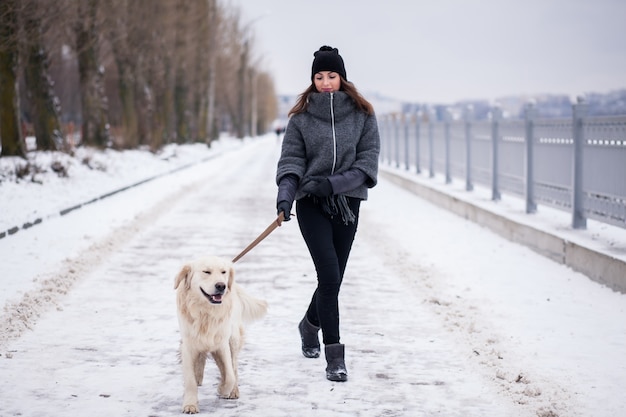
Preventing cold-related health problems starts at home. There are several practical steps you can take to keep your pet safe and cozy during Knoxville’s damp December days. First, limit outdoor time during the coldest hours, usually early morning and late at night. Encourage bathroom breaks and walks during the warmest part of the day when possible, and dry your pet thoroughly if they get wet from rain or snow.
Providing warm, draft-free sleeping areas is essential. Place pet beds away from doors and windows; consider using extra blankets or heated pet mats for older cats and dogs. If your pet spends time outdoors, ensure they have access to well-insulated shelter with dry bedding. Never leave pets outside for extended periods, especially during freezing temperatures.
Clothing can also help, particularly for small or short-haired breeds. Dog sweaters or coats provide an extra layer of insulation, while booties protect sensitive paws from ice, salt, and other irritants. After each walk, gently wipe your pet’s paws and belly to remove moisture, salt, or chemicals. Regularly check for cracks, redness, or irritation.
Adjusting exercise routines is just as important. If your pet is reluctant to go outside, consider increasing indoor playtime to maintain their fitness and mental stimulation. Puzzle toys, short bursts of fetch, and interactive games are great alternatives during cold snaps.
For pets prone to allergies or skin irritation, monitor for signs such as excessive scratching, licking, or ear problems. The dry indoor air can lead to flaky skin, so talk with your veterinarian about safe moisturizers or dietary changes if needed. Our team at Just For Pets Animal Clinic can help you identify the best approach for your pet’s unique needs.
When to Seek Veterinary Care for Cold Weather Concerns
While many winter challenges can be managed at home, there are times when professional help is necessary. You should schedule an appointment with your veterinarian if your pet shows persistent shivering, difficulty walking, pale or blue gums, lethargy, or confusion after being outside. These can signal hypothermia or frostbite, both of which require immediate attention.
Other warning signs include limping, licking or chewing at their paws, refusal to eat, coughing, or sudden changes in behavior. If your senior pet seems stiff, has trouble rising, or appears in pain, it may be time to revisit their arthritis management plan. Pets with chronic health issues or those recovering from illness may need extra check-ins during the winter months.
If you notice any unusual symptoms, don’t wait for them to worsen. Prompt veterinary care can make a significant difference in your pet’s recovery and comfort. Our veterinary professionals are always available to answer your questions, provide thorough examinations, and recommend the most effective course of action to keep your pet healthy through the winter.
Supporting Your Pet All Winter: Schedule a Visit with Just For Pets Animal Clinic
Protecting your pet during Knoxville’s cold, damp December is a team effort, and you don’t have to do it alone. By watching for signs of cold stress, making smart adjustments at home, and reaching out for professional support when needed, you can help your furry family members thrive, no matter the weather.
If you are searching for a "vet near me" who understands cold weather pet safety in Knoxville, look no further than Just For Pets Animal Clinic. Our compassionate veterinarians are committed to keeping pets warm in winter with personalized advice, preventive care, and a full range of veterinary services in Knoxville. Whether your pet needs a routine wellness exam, specialized senior pet care, or help with seasonal allergies, we are here to support you.
To schedule an appointment or ask our team about keeping pets warm in winter, call (865) 357-1838 or visit 5034 N. Broadway, Suite 255, Knoxville, TN 37918. For more information about our comprehensive veterinary services in Knoxville, explore our website or reach out to our friendly veterinary professionals. Your pet’s safety, comfort, and happiness are always our top priorities, especially when the temperatures drop.