Keeping Your Pet Healthy in Knoxville’s Mild Winters


Keeping Your Pet Healthy in Knoxville’s Mild Winters
Winter in Knoxville brings mild temperatures, but February often surprises pet owners with chilly rain, damp conditions, and the occasional cold snap. At Just For Pets Animal Clinic, located at 5034 N. Broadway, Suite 255, Knoxville, TN 37918, we know how important it is to keep your furry family members safe, comfortable, and healthy during this unpredictable season. Whether you’re a long-time resident or new to the area, you might wonder how the local winter climate could affect your dog, cat, or small pet’s wellbeing. This blog will guide you through the most common seasonal health concerns for pets in Knoxville and the surrounding communities, help you spot signs of trouble, and give you practical tips to ensure your pets thrive through the winter months. Along the way, we’ll explain when to visit our clinic for preventive care and offer expert advice you can trust.
Recognizing Cold Weather Health Risks for Knoxville Pets
Although Knoxville doesn’t typically experience harsh, snowy winters, the cool, damp days of February can still pose risks for pets. Many pet owners notice their dogs or cats acting differently on chilly mornings, or they worry about their rabbits and small mammals staying warm enough indoors. Key symptoms that may indicate your pet is struggling with winter conditions include shivering, reluctance to go outside, dry or irritated skin, changes in energy levels, or signs of respiratory discomfort. For small pets like rabbits, warning signs such as huddling, lack of appetite, or unusual lethargy can suggest they’re feeling the cold more than you realize.
Additionally, indoor pets often face different challenges during winter. Dry air from heating systems can lead to itchy skin, while limited sunlight and exercise may contribute to boredom or mild depression. Dogs that are usually energetic may become less enthusiastic about walks during rainy or chilly spells, which can lead to weight gain or behavior changes. For cats, increased time indoors can sometimes lead to more frequent grooming, which may result in hairballs or skin irritation.
Why Do Mild Winters Still Affect Pet Health?
Understanding the reasons behind seasonal health issues can help you take proactive steps for your pet’s wellbeing. Knoxville’s winter weather is characterized by frequent rain, cloudy skies, and temperature swings that leave pets—and their owners—unsure of what to expect each day. Sudden cold snaps can catch short-haired dogs or senior pets off guard, while persistent dampness creates ideal conditions for skin problems and joint discomfort.
Dry indoor air is a hidden culprit, especially when heating systems run non-stop. This can strip moisture from your pet’s skin, leading to flaking, itching, and even secondary infections if left untreated. Outdoor walks on wet ground may also expose your dog’s paws to mud, road salt, and debris, which can cause irritation or cracked pads. For pets with allergies, winter can actually make things worse, as molds and dust mites thrive indoors when windows are closed for warmth. Our pet allergy services are designed to help address these seasonal sensitivities.
Small pets and rabbits are particularly sensitive to temperature fluctuations. Their enclosures may be placed near windows or drafty areas, making it harder for them to regulate their body heat. Even a slight drop in room temperature can be stressful for these animals, leading to decreased appetite and increased vulnerability to illness.
How Just For Pets Animal Clinic Can Help: Winter Wellness and Treatment Options
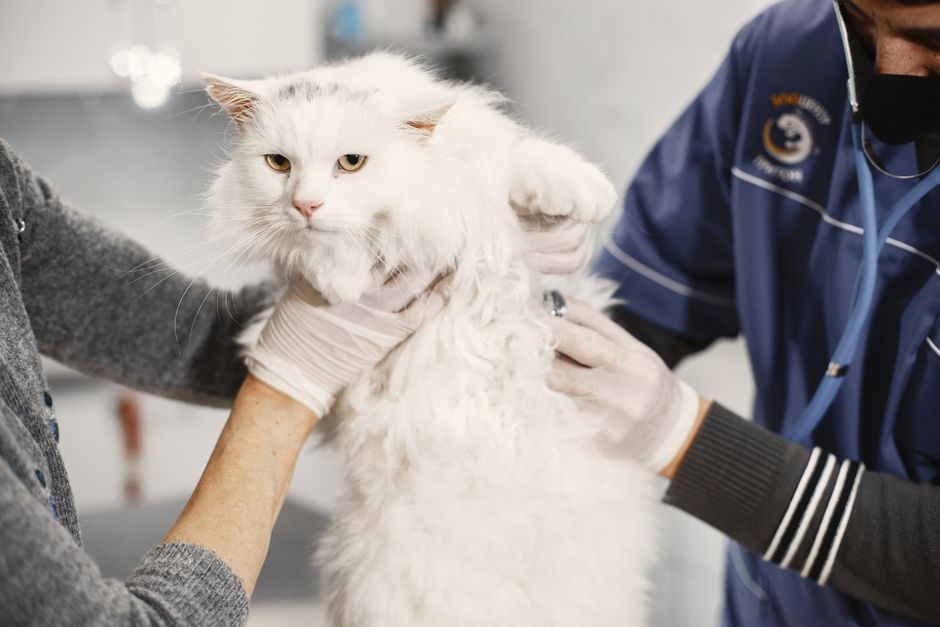
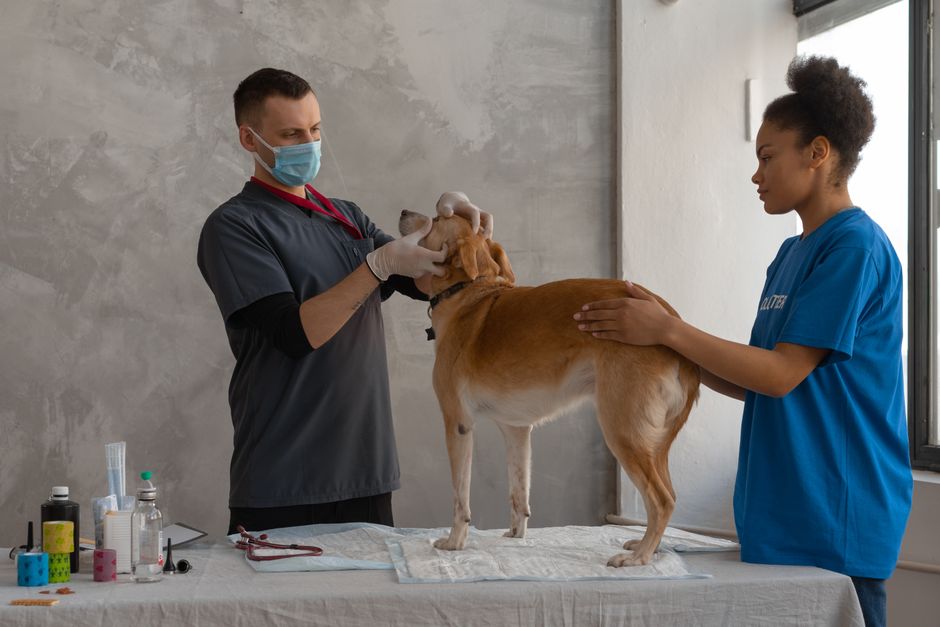
When winter weather raises concerns about your pet’s health, our veterinary team at Just For Pets Animal Clinic is here to help you every step of the way. We offer comprehensive wellness examinations that are especially important during seasonal transitions. During these visits, our veterinarians will check your pet’s skin, coat, weight, and overall condition, catching early signs of winter-related problems before they develop further. If your pet is experiencing persistent itching, coughing, or changes in behavior, our diagnostic services can help pinpoint the underlying cause.
For pets suffering from dry, irritated skin, treatment approaches often involve medicated shampoos, topical moisturizers, or dietary adjustments to support healthy skin and coat. If your dog’s paws are cracked or sore after winter walks, we can recommend safe, pet-friendly balms or discuss protective booties for particularly sensitive pups.
Vaccinations remain essential year-round, as some respiratory viruses and other illnesses can spread more easily when pets are kept indoors together. Our vaccination services help ensure your pet’s immune system is ready to handle seasonal risks. For senior pets, tailored senior pet care can address age-specific concerns such as arthritis flare-ups that are common during colder months.
If you have a rabbit or small pet, our wellness care for rabbits and small pets focuses on habitat assessments, temperature monitoring, and nutritional counseling to keep your little companions comfortable all season long.
Simple Steps for Winter Pet Wellness at Home
While professional veterinary care is vital, there are many things you can do at home to help your pet stay healthy during Knoxville’s winter months. Ensuring your dog or cat has a warm, draft-free place to sleep is a top priority. Placing their bed away from chilly doors and windows and using cozy blankets can make a significant difference. For small pets, double-check that cages or enclosures are not exposed to cold air or sudden temperature changes.
Regular grooming helps keep your pet’s coat in top shape, which is essential for insulation. Brushing removes loose fur and distributes natural oils, preventing dry skin. If your home is especially dry, running a humidifier can add much-needed moisture to the air and benefit both pets and people.
Maintaining an exercise routine, even when the weather is less inviting, is crucial. Shorter, more frequent walks for dogs help prevent weight gain and keep joints limber. Indoor play sessions with toys or food puzzles can keep your cat or small pet stimulated and active. Always dry your pet thoroughly after outdoor adventures to avoid prolonged dampness, which can chill your pet and irritate their skin.
Nutrition also plays a role in winter wellness. Ensuring your pet receives balanced meals with adequate hydration supports their immune system and skin health. For pets with known sensitivities, our pet allergy services can help you identify triggers and adjust their environment accordingly.
When Should You Schedule a Veterinary Visit for Winter Concerns?
It’s always better to err on the side of caution when it comes to your pet’s health. You should schedule an appointment with our veterinarians if your pet shows signs such as persistent coughing, sneezing, or nasal discharge, which could indicate an upper respiratory infection. Continuous scratching, red or flaky skin, or hair loss may be signs of allergies or dermatitis that require professional treatment.
Changes in appetite, unexplained weight loss or gain, or a noticeable drop in energy levels are also important warning signs—especially if your pet is a senior or has a chronic health condition. If your dog’s paws are swollen or bleeding, or your cat seems unusually withdrawn or lethargic, a visit to our clinic is recommended.
For rabbits and small pets, a decrease in eating, drinking, or activity, as well as any signs of labored breathing, should prompt immediate attention. Even small changes in these animals can escalate quickly, making timely veterinary care essential.
Our veterinary professionals are committed to providing thorough evaluations, tailored recommendations, and compassionate support during every visit. We encourage you to reach out if you have any concerns, as early intervention can prevent more serious health issues down the road.
Keeping Your Pet Healthy All Year: Your Knoxville Veterinary Partner
Winter in Knoxville may not bring piles of snow, but it still presents unique challenges for pet health and comfort. By staying attentive to your pet’s needs, making small adjustments at home, and partnering with a trusted veterinary team, you ensure your furry or feathered family members remain happy and healthy throughout the season.
If you notice any changes in your pet’s behavior, appetite, or skin condition—or if you simply want peace of mind—consider scheduling a wellness examination at Just For Pets Animal Clinic. Our veterinarians are here to offer support, answer your questions, and provide the care your pet deserves. When searching for a veterinarian near me in Knoxville, look for a clinic that combines expertise, compassion, and strong community connections.
To book your winter wellness appointment or discuss any concerns, call us at (865) 357-1838 or visit us at 5034 N. Broadway, Suite 255, Knoxville, TN 37918. Together, we can help your pets enjoy the best that Knoxville’s mild winters have to offer. For more seasonal tips and updates on our preventive care programs, visit our website or speak with one of our veterinary professionals today.
This blog is intended for informational purposes only and does not replace professional veterinary advice. Please consult your veterinarian for personalized recommendations and care.