July Pet Dental Care Tips for Knoxville Dogs and Cats

July Pet Dental Care Tips for Knoxville Dogs and Cats
As Knoxville’s hot, humid July rolls in, many pet owners start to notice something unpleasant: their dog or cat’s breath seems worse than ever. While we all expect a little “doggy breath” or a whiff from our feline friends now and then, persistent bad breath is often more than just a nuisance. It can be a sign that your pet’s teeth and gums need attention. Regular dental care is essential year-round, but summer brings its own challenges for oral health. At Just For Pets Animal Clinic, located at 5034 N. Broadway, Suite 255, Knoxville, TN 37918, our veterinary team is dedicated to helping Knoxville and surrounding communities keep their pets’ mouths healthy, comfortable, and pain-free. In this post, we’ll share expert dental care tips for dogs and cats, explain the warning signs of dental problems, and show how scheduling regular cleanings can protect your pet’s overall wellbeing.
Whether you’re dealing with stinky breath, curious about at-home brushing, or worried about tartar buildup, you’ll find practical advice and local expertise to keep your pet smiling all summer long.
Recognizing Dental Problems in Your Pet
Dental disease is one of the most common health issues affecting dogs and cats, but it often goes unnoticed until it causes discomfort. During Knoxville’s warm summer months, bacteria multiply more quickly in your pet’s mouth, which can make existing dental issues worse or create new ones.
Key symptoms of dental problems in pets include persistent bad breath, visible yellow or brown tartar along the gumline, red or swollen gums, drooling, or bleeding from the mouth. You might notice your pet pawing at their face, dropping food while eating, chewing only on one side, or losing interest in their favorite toys and treats. In severe cases, loose or missing teeth and even changes in your pet’s behavior, such as irritability or hiding, can signal pain from dental disease.
It’s important to remember that many pets hide discomfort until the problem becomes serious. If you observe any of these signs, or if your pet’s breath is suddenly much worse in the July heat, it’s time to take a closer look at their oral health.
Why Dental Problems Are More Noticeable in Summer
Summer in Knoxville brings heat and humidity, which can influence your pet’s dental health in several ways. Higher temperatures cause pets to pant more, leading to a drier mouth that allows bacteria to thrive. When combined with the increased moisture in the air, this environment can accelerate the buildup of plaque and tartar.
Additionally, your pet may spend more time outdoors, potentially picking up sticks, grass, or other debris that can get stuck between their teeth. Hot weather also means more frequent water breaks and possibly a shift in diet; treats or chews left outside may harbor bacteria that contribute to oral problems.
Underlying dental disease is often made more obvious by these summer factors. For example, a dog with mild gingivitis during the spring may develop worsened breath or more noticeable gum swelling after a few weeks of hot, muggy weather. Cats that groom themselves more due to shedding can ingest bacteria-laden fur, further increasing oral bacteria levels.
Professional Dental Care: What to Expect at Just For Pets Animal Clinic
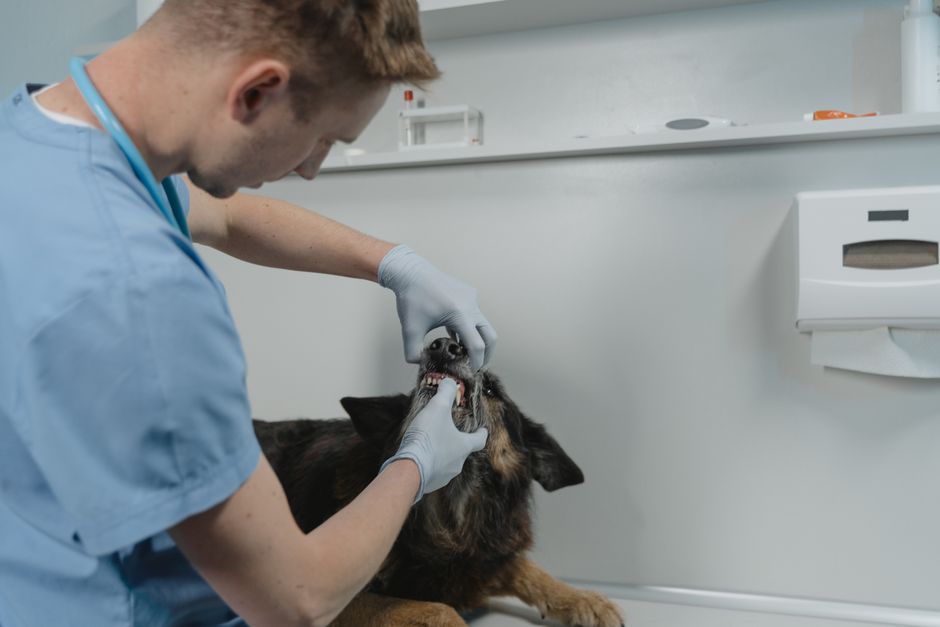
Professional dental care is the cornerstone of a healthy mouth for your dog or cat. At Just For Pets Animal Clinic, our veterinarians provide comprehensive dental services tailored to your pet’s unique needs. A typical dental visit begins with an oral examination under gentle restraint to assess the teeth, gums, and oral tissues. We use advanced diagnostic tools, including digital radiology when necessary, to detect problems that are not visible on the surface.
Our pet dental cleanings are performed under anesthesia to ensure a thorough and pain-free experience. The cleaning process involves scaling away hardened tartar above and below the gumline, polishing the teeth to remove microscopic scratches, and applying fluoride or sealants for added protection. If damaged or infected teeth are found, our team is skilled in performing pet tooth extractions with careful pain management and postoperative care.
We understand that many pet owners are concerned about anesthesia and dental procedures. Our veterinary professionals take every precaution, including pre-anesthetic lab work and individualized monitoring, to keep your pet safe and comfortable throughout their dental visit.
At-Home Dental Care Tips for Summer
While professional cleanings at the veterinary clinic are essential, daily home care plays a critical role in preventing dental disease between visits. Brushing your pet’s teeth is the gold standard, and it can make a dramatic difference in oral health. Begin by introducing a pet-specific toothbrush and toothpaste, allowing your dog or cat to get used to the taste and texture. Gradually work up to gentle brushing along the gumline, aiming for at least a few times per week.
If your pet isn’t ready for brushing, there are other effective options. Dental diets and treats designed to reduce plaque, as well as water additives and oral gels, can help control bacteria and freshen breath. Chew toys and dental chews are also beneficial, but always choose products that are safe for your pet’s size and chewing habits.
During Knoxville’s hot July, make sure your pet has plenty of fresh water and avoid leaving treats or chews outdoors where they can attract bacteria. Monitor your pet’s mouth regularly for changes in breath, gums, or eating habits. Remember that home care complements, but does not replace, professional veterinary dental services.
For more information about the range of dental services we offer, visit our dental care services page.
When to Schedule a Veterinary Dental Visit
Knowing when to seek veterinary care can make a significant difference in your pet’s comfort and long-term health. You should schedule an appointment if your pet has persistent bad breath, visible tartar, red or bleeding gums, loose or missing teeth, or any trouble eating. Even if your pet seems comfortable, annual or semi-annual dental checkups are recommended, especially for older pets or those prone to dental disease.
Some dental problems, such as abscesses or severe gum infections, require immediate attention. If you notice swelling around the mouth, refusal to eat, excessive drooling with blood, or sudden changes in your pet’s demeanor, contact our veterinary team right away. Prompt treatment can prevent more serious complications, including infections that can spread to the heart, liver, or kidneys.
Our team at Just For Pets Animal Clinic is always here to answer your questions, offer guidance on at-home care, and provide thorough dental evaluations. We encourage you to reach out for advice whenever you are unsure about your pet’s oral health.
Keeping Your Pet’s Smile Bright All Summer
Maintaining your pet’s dental health during Knoxville’s July heat requires a combination of professional care, regular home routines, and keen observation. By staying alert to changes in your dog or cat’s breath, gums, and eating habits, you can catch dental problems early and prevent discomfort. At Just For Pets Animal Clinic, we are committed to helping every pet in Knoxville and the surrounding communities enjoy a healthy, pain-free smile.
If you are searching for a veterinarian near me who offers compassionate, comprehensive dental care, our team of veterinarians is ready to help. From routine pet dental cleanings to advanced procedures like pet tooth extractions, we provide expert care tailored to your pet’s needs. To schedule an appointment, call us at (865) 357-1838, or visit us at 5034 N. Broadway, Suite 255, Knoxville, TN 37918.
Let us help your pet enjoy a healthier, happier summer with a bright, fresh smile. Your pet’s comfort and wellbeing are always our top priorities.
Disclaimer: This blog is for informational purposes only and does not replace professional veterinary advice. If you have concerns about your pet’s health, contact your veterinarian promptly.