Protecting Knoxville Pets From Fall Allergies: October Prevention Tips

Protecting Knoxville Pets From Fall Allergies: October Prevention Tips
As the leaves start to turn and Knoxville welcomes the crisp days of October, many pet owners notice their dogs or cats developing new or worsening allergy symptoms. Itchy skin, excessive licking, sneezing, and watery eyes are common signs that autumn allergies are in full swing—not just for people, but for pets as well. At Just For Pets Animal Clinic, located at 5034 N. Broadway, Suite 255, Knoxville, TN 37918, our veterinary team understands how frustrating and uncomfortable fall allergies can be for the pets in your family.
This blog will help you recognize the signs of seasonal allergies in dogs and cats, explain why Knoxville’s fall climate triggers these symptoms, and share proactive prevention tips you can use at home. We will also discuss when it’s time to bring your pet in for a professional evaluation, and how our team can help with comprehensive diagnostics and allergy management. Whether you’re in Knoxville or one of the surrounding communities, we’re here to support your pet’s health through every season.
Recognizing Fall Allergy Symptoms in Dogs and Cats
It’s not uncommon for pet owners to miss the early signs of fall allergies, often mistaking them for normal grooming or mild irritation. However, understanding what to look for can help you address problems before they become severe.
Key symptoms of fall allergies in pets include persistent itching, frequent licking or chewing of the paws, rubbing the face against furniture or the carpet, and red, inflamed skin. You might also notice increased shedding, small scabs or sores, or a dull, lackluster coat. In some cases, pets will sneeze more often, develop watery eyes, or experience mild respiratory changes. Cats may groom excessively, leading to bald patches or hairballs, while dogs may develop hot spots—raw, moist areas of irritated skin.
Not every pet will show all these signs. Some may only have mild irritation, while others can develop more serious infections due to constant scratching or licking. If you notice any combination of these symptoms, especially if they are new or getting worse as October progresses, it’s time to consider fall allergies as a possible cause.
Why Do Knoxville Pets Get Fall Allergies?
Understanding the causes of fall allergies in pets starts with recognizing the environmental changes that occur this time of year. Knoxville’s autumn brings cooler temperatures and an uptick in certain allergens, particularly weed pollens such as ragweed. As leaves fall and begin to break down, mold spores also increase in the outdoor environment. Both pollen and mold can be inhaled or picked up on your pet’s fur and paws, sparking an allergic response.
Additionally, as homes are closed up against the chill, indoor allergens such as dust mites and molds can become more concentrated. Pets with underlying sensitivities may react to both outdoor and indoor triggers, making fall a challenging season. The combination of environmental exposure, individual pet sensitivities, and even genetic predisposition all contribute to the likelihood of developing seasonal allergies.
Some breeds are more prone to allergies than others, including retrievers, terriers, and brachycephalic (flat-faced) breeds. Cats can also be affected, especially those with a history of skin or respiratory allergies. If your pet has had allergy symptoms in previous years, the chances of them flaring up again each fall are quite high.
Professional Diagnosis and Treatment for Fall Allergies
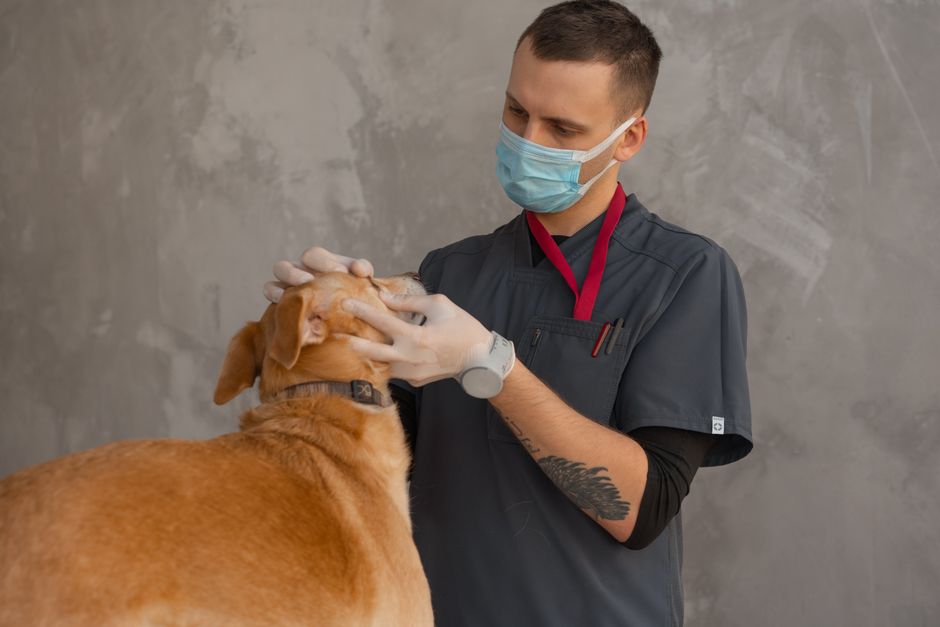
When home care isn’t enough, or if your dog or cat is struggling with persistent symptoms, the veterinary team at Just For Pets Animal Clinic is ready to help. During a visit, our veterinarians will review your pet’s medical history and perform a thorough physical examination, looking for classic signs of allergic skin disease or respiratory involvement.
If the diagnosis isn’t straightforward, we may recommend additional testing to rule out other causes of itching, such as parasites or infections. Our in-house pet diagnostic laboratory services make it easy to quickly check for underlying problems that can mimic allergies. In some cases, we may suggest skin scrapings or cytology, and for more complex cases, allergy testing may be discussed as part of a long-term management plan.
Treatment options for fall allergies are tailored to each pet’s needs. Approaches often involve medicated shampoos to soothe irritated skin, prescription medications such as antihistamines or anti-itch drugs, and, in some cases, short courses of corticosteroids to control severe inflammation. For pets with recurring or severe allergies, immunotherapy (allergy shots or drops) may be recommended. We also provide advice on environmental management and ongoing monitoring during your wellness examination, ensuring your pet’s comfort throughout the allergy season.
Preventing Fall Allergies and Managing Symptoms at Home
While some degree of exposure to fall allergens is unavoidable, there are practical steps you can take at home to reduce your pet’s symptoms and keep them comfortable.
Frequent bathing with a gentle, veterinary-approved shampoo can help wash allergens from your pet’s coat and skin. Wiping your dog’s paws and underside after walks, especially on days with high pollen counts or after playing in leaf piles, will reduce the amount of pollen and mold they bring indoors. Keeping windows closed during peak pollen periods and using air purifiers may also help limit exposure to indoor allergens.
Regularly washing your pet’s bedding, vacuuming carpets, and dusting surfaces can decrease the buildup of dust mites and mold spores in your home. For cats, providing clean litter and regularly scooping boxes will help reduce dust and other indoor irritants. Monitoring your pet’s skin and coat for early signs of irritation allows you to seek veterinary advice before symptoms escalate.
Diet and overall health also play a role in allergy management. Feeding a balanced, high-quality diet and maintaining regular grooming schedules help support healthy skin and immune function. If your pet has a known food allergy or sensitivity, sticking to a strict diet is particularly important during high-allergen seasons.
When Should You Seek Veterinary Care for Fall Allergies?
It’s always better to err on the side of caution when it comes to your pet’s health. If you notice persistent itching, skin changes, hair loss, or signs of discomfort that do not improve with simple home care, it’s time to schedule an appointment with your veterinarian. Signs such as open sores, hot spots, repeated ear infections, or any change in breathing or activity level also warrant prompt evaluation.
Some pets may develop secondary bacterial or yeast infections due to chronic scratching or licking. Warning signs include a strong odor from the skin or ears, discharge, or areas that appear red, swollen, or moist. Left untreated, these complications can lead to significant discomfort and more complex medical needs.
At Just For Pets Animal Clinic, our team of veterinarians can help you determine the best course of action, whether that involves allergy testing, prescription medications, or in-depth skin evaluations. For more information about the services we offer for itchy pets and allergy management, please visit our pet allergy services page.
Compassionate Allergy Care for Knoxville Pets
Fall allergies can be a frustrating reality for many dogs and cats in Knoxville and the surrounding communities, but you don’t have to manage them alone. By recognizing the signs early, taking preventive steps at home, and working with a trusted veterinary team, you can help your pet enjoy a comfortable, healthy autumn.
If you are searching for a vet near me who understands the unique challenges of seasonal allergies in our region, the veterinarians at Just For Pets Animal Clinic are here to help. Our clinic is conveniently located at 5034 N. Broadway, Suite 255, Knoxville, TN 37918, and we welcome appointments for comprehensive evaluations, diagnostics, and ongoing allergy management.
To schedule a wellness examination or discuss your pet’s allergy symptoms, call us at (865) 357-1838 or visit our wellness examination page for more details. Your pet’s comfort and health are our top priorities throughout every season. If you have any concerns about fall allergies or need advice on prevention strategies, don’t hesitate to reach out to our compassionate veterinary professionals. Let’s work together to keep your pets healthy and happy all autumn long.